

Lithium-Air, Sodium-Ion, Solid-State & Semi-Solid-State
In the quest to surpass conventional lithium-ion batteries, several next-generation chemistries are gaining momentum. Below is a comparative look at four prominent contenders ΓÇô Lithium-Air, Sodium-Ion, Solid-State, and Semi-Solid-State batteries ΓÇô focusing on their key characteristics, recent breakthroughs, leading players, commercialization timelines, and technical challenges. A summary table and detailed analysis for each chemistry are provided for a global, engineering-oriented audience.
Comparative Snapshot of Key Attributes
| Chemistry | Energy Density | Cycle Life | Safety | Cost Potential | Raw Materials |
|---|---|---|---|---|---|
| Lithium-Air | Theoretical ~3,400 Wh/kg (lab achieved ~1,200 Wh/kg)[1][2] – highest potential of all | Lab demos ~1,000 cycles after recent breakthroughs[1] (previously only tens) | No flammable liquid (solid electrolyte); Li metal & O₂ handling require careful design[3] | Potentially low (oxygen from air as cathode; no heavy metals) – but tech still experimental | Lithium metal anode; oxygen from air (ubiquitous); special catalysts (e.g. Mo-based) needed[4] |
| Sodium-Ion | ~160 Wh/kg today, aiming >200 Wh/kg by ~2025[5] (approaching LFP levels) | Similar to Li-ion (expect thousands of cycles); new electrolyte additives improving longevity[6] | Similar to Li-ion (uses organic electrolyte) but better cold performance (operates to -30°C)[7]; inherently non-lithium chemistry adds safety margin | Low-cost promise (abundant Na; cell cost projected ~70% less than Li-ion long-term[8]) | Sodium abundant (no lithium or cobalt); cathodes use common elements (Fe, Mn, etc.); can use aluminum current collectors[9] |
| Solid-State | 300–500 Wh/kg targeted (e.g. 20 Ah cells ~500 Wh/kg in trials[10]) – ~40-100% higher than Li-ion | Improving toward 1,000+ cycles (prototype cells >95% capacity after 1,000 cycles[11]) | No liquid – non-flammable solid electrolytes greatly improve safety[12] (pass nail and high-temp tests) | Initially high (new materials/processes) but large-scale goals: ~$75/kWh by 2028[13] | Lithium-based (Li metal anode common); solid electrolytes (ceramics/polymers with Li, La, Zr, S, etc.); no liquid electrolyte |
| Semi-Solid-State | 250–360 Wh/kg (e.g. WeLion/NIO cell ~360 Wh/kg[14]; ~260 Wh/kg at pack level) | Good – targeting >1,000 cycles (early EV packs demonstrated >1,000 km per charge[15]; lab advances improving longevity[16]) | Reduced fire risk (much less liquid electrolyte); still contains some liquid, so not as foolproof as full solid-state | Near-term viability (leverages existing Li-ion production with tweaks); cost dropping as it scales to GWh projects[17][18] | Lithium-based (often high-Ni cathodes[19] + Li metal anode); hybrid electrolyte (solid+liquid) reduces flammable content |
Table: Key attributes of emerging battery chemistries (data from recent research and industry reports).
Lithium-Air Batteries (Li-Air)
Overview
Lithium-air batteries (Li–O₂) use a lithium metal anode and oxygen (from air) as the active cathode material. They boast an exceptionally high theoretical energy density (comparable to gasoline’s energy per weight) because oxygen is lightweight and reacts with lithium to form energy-dense oxides[20]. This chemistry could deliver 4–10× the energy of Li-ion cells, potentially revolutionizing electric flight and long-range EVs[1].
Recent R&D Breakthroughs (2024ΓÇô2025)
A team at Argonne National Lab and Illinois Tech demonstrated a solid-state lithium-air cell achieving a four-electron reaction to form Li₂O at room temperature – a first in the field[21]. Their coin-sized cell was recharged 1,000+ cycles and showed potential for ~1,200 Wh/kg energy density, nearly 4× that of today’s Li-ion[1]. This design used a composite solid electrolyte (ceramic nanoparticles in a polymer matrix) to enable stable cycling and avoid prior issues with liquid electrolytes[22][2]. Crucially, it can breathe air without an oxygen tank (earlier Li-air prototypes needed pure O₂ supply), simplifying system design[23]. Such advances address historical problems of short cycle life and irreversibility in Li-air cells.
Global Leaders & Players
Academic and national lab research has led so far ΓÇô e.g. Argonne (USA) and partner institutions are at the forefront[24]. Following their breakthrough, researchers Larry Curtiss and Mohammad Asadi co-founded the startup Air Energy in 2024 to commercialize solid-state Li-air tech[25]. Air Energy aims to scale prototypes over five years, focusing first on small devices (wearables, drones) and then EVs and even eVTOL aircraft[26]. Elsewhere, companies and labs in Japan and Europe are exploring Li-air in early stages, but no major commercial deployment yet. (Notably, Li-air is still at lab prototype stage worldwide ΓÇô even the Argonne/Air Energy cell is a breakthrough demo rather than a product).
Commercialization Timeline
In the short term (~2 years), Li-air will remain in the R&D and prototype realm ΓÇô we may see small-scale demos (Air Energy plans coin-cell prototypes for wearables/UAVs in the next year[26]). Mid-term (5 years) could bring larger prototypes or pilot projects: Air Energy targets EV-capable cells by around 2028[26] if development proceeds, and other research programs (perhaps backed by government initiatives) may yield demonstrator batteries for specialized uses. Long-term (10+ years), if technical hurdles are cleared, lithium-air could see commercialization in high-impact areas like electric aviation or long-range EVs. However, given its early stage, most analysts view true mass-market Li-air batteries as a decade or more away ΓÇô around the mid-2030s ΓÇô contingent on solving stability and scaling challenges.
Technical Barriers
Several critical challenges must be addressed before Li-air becomes practical. The air cathode must handle real air ΓÇô with COΓéé and moisture ΓÇô without degrading; managing contaminants and ensuring the reaction forms LiΓééO cleanly (not lithium peroxide or carbonate by-products) is non-trivial. The Argonne designΓÇÖs catalyst (trimolybdenum phosphide) helped achieve the desirable four-electron reaction[4], but developing cost-effective, durable catalysts is an ongoing need. Lithium metal anode safety and dendrite formation are concerns (mitigated by solid electrolytes in new designs, but still needing robust engineering). Furthermore, oxygen supply and product deposition: as the cell discharges, lithium oxide fills pores in the cathode; designing electrodes that accommodate these changes and release OΓéé on charge without crumbling is difficult. Manufacturing scalability is also unknown ΓÇô producing a sealed cell that ΓÇ£breathesΓÇ¥ air, with new solid electrolytes, at automotive scale and reasonable cost, has yet to be proven. Despite these hurdles, the recent breakthroughs have injected optimism that lithium-air, the highest-energy battery chemistry on paper, is inching closer to reality[27].
Sodium-Ion Batteries (Na-Ion)
Overview
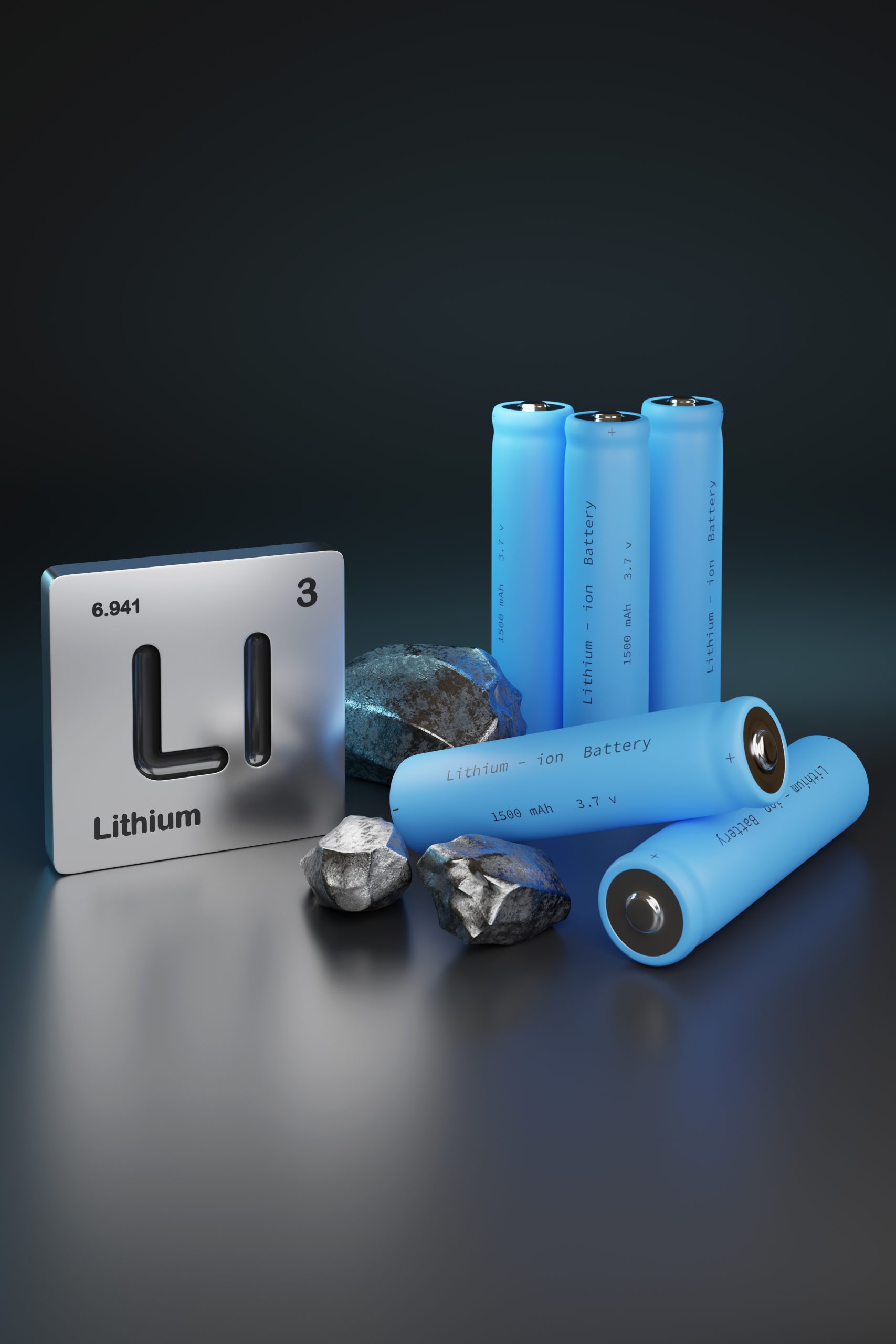
Sodium-ion batteries operate similarly to Li-ion, shuttling sodium-ions between anode and cathode. They offer moderate energy density (currently a bit lower than Li-ion) but come with big advantages in cost and resource abundance. Sodium is cheap and ubiquitous (literally in salt), and Na-ion cells can be made without lithium, cobalt or nickel ΓÇô easing supply chain and sustainability concerns. They also perform better at low temperatures and have fast-charging capability in some designs[7], making them attractive for stationary storage and entry-level EVs.
Key Characteristics
TodayΓÇÖs sodium-ion cells achieve around 100ΓÇô160 Wh/kg, comparable to lithium iron phosphate (LFP) batteries, and next-gen designs are targeting ~180ΓÇô200 Wh/kg to narrow the gap with Li-ion[5].
Cycle life can reach the thousands of cycles (comparable to Li-ion) and is improving as researchers tackle issues like anode solid-electrolyte interphase stability[6].
Safety is similar to Li-ion in that most use organic liquid electrolytes (hence flammable), but sodium-ion tends to be thermally stable ΓÇô e.g. many use Prussian blue analog cathodes (sodium-iron compounds) which are stable and non-oxygen-releasing.
Notably, sodium-ion cells retain good performance in cold climates (discharging at -40 °C, charging at -30 °C reported)[7], a plus for all-weather reliability.
Cost potential is a major driver: with no expensive metals and the possibility of using aluminum current collectors on both electrodes (saving copper cost)[9], manufacturers project sodium cells could become significantly cheaper than Li-ion (BYD forecasts cost parity with LFP by 2025 and ~30%ΓÇô70% lower cost in the long run)[8][28].
Recent R&D and Industry Milestones
The last two years have seen rapid progress toward commercialization. China leads the charge: CATL, the worldΓÇÖs largest battery maker, launched its first-gen sodium-ion cell in 2021 (~160 Wh/kg) and in late 2024 announced a second-gen Na-ion battery >200 Wh/kg to debut in 2025[5]. CATL also unveiled a ΓÇ£FreevoyΓÇ¥ hybrid pack combining sodium-ion and Li-ion cells, optimized for plug-in hybrid EVs ΓÇô leveraging sodiumΓÇÖs superior cold-weather performance and fast 4C charging to support EV range in low temperatures[29]. CATL has established a supply chain for Na-ion and signaled that Chinese automaker Chery will likely deploy these batteries in an EV model soon[29]. Rival BYD is not far behind ΓÇô in 2023ΓÇô2024 BYD announced it had slashed sodium battery costs, built a 30 GWh factory for Na-ion, and is prototyping a large 2.3 MWh containerized sodium-ion energy storage system (MC Cube) to launch in 2025[30][28]. That system offers ~half the energy of a same-size Li-ion unit (reflecting lower energy density) but with improved safety and long cycle life ideal for grid storage[31]. Beyond China, India and Europe are in the game: IndiaΓÇÖs Reliance Industries acquired UKΓÇÖs sodium-ion pioneer Faradion and is building manufacturing capacity to use Na-ion for stationary storage and EVs in the Indian market. In Europe, startups like Tiamat (France) and Altris (Sweden) are developing Na-ion cells and materials, and the EU has funded consortia to demo sodium-ion for grid storage. In the U.S., Natron Energy is commercializing a variant using Prussian Blue electrodes with ultra-long cycle life for data centers and telecom (though with lower energy density). Meanwhile, research continues to improve Na-ion electrodes (for example, optimizing hard-carbon anodes and new cathodes like layered oxides or polyanionic compounds) and electrolytes ΓÇô even Huawei (China) filed patents for electrolyte additives to boost coulombic efficiency and cycle life[6], indicating broad interest in perfecting the chemistry.
Commercialization Timeline
Short-term (2 years) ΓÇô Sodium-ion batteries are entering the market now. We expect initial deployments by 2025: e.g. consumer electronics and low-cost EV models in China using sodium-ion cells, and the first grid-scale storage projects adopting Na-ion chemistry. (CATLΓÇÖs and BYDΓÇÖs 2025 rollouts align with this.) Mid-term (~5 years) ΓÇô By 2030, sodium-ion could reach mass production and global availability, especially for stationary energy storage and budget EVs. Industry leaders like CATL predict Na-ion could take up a significant share (perhaps up to 50%) of the market currently served by LFP lithium batteries[32], thanks to cost and resource advantages. We might see second-generation Na-ion EV batteries exceeding 200 Wh/kg, making them viable in mainstream electric cars (possibly in mixed packs with Li-ion or in shorter-range models). Long-term (10+ years) ΓÇô If development continues, sodium-ion may become a mature, widely-used chemistry by mid-2030s, particularly wherever cost or resource security trumps the absolute highest energy density. It could dominate grid storage, household batteries, and economy vehicles. However, itΓÇÖs unlikely to fully displace lithium in long-range, weight-sensitive applications unless its energy density further improves; more likely, Na-ion will coexist with high-energy chemistries, carving out the high-volume, cost-sensitive segment of the battery market.
Technical Challenges
The main limitation is lower energy density versus advanced lithium batteries – even with >200 Wh/kg cells, a sodium pack will weigh more for the same range, which is critical in vehicles. Researchers are working to close this gap with better electrode materials (e.g. optimizing cathode crystal structures and using nano-engineered hard carbons for anodes to store more Na⁺). Cycle life and retention at scale need validation – some Na-ion chemistries have higher fade initially (hard carbon anodes often have substantial first-cycle loss and lower initial Coulombic efficiency, requiring prelithiation-equivalent strategies for sodium). Safety and performance wise, while Na-ion avoids lithium plating issues, the use of flammable electrolytes means thermal runaway is still possible (though some Na-ion cathodes like iron-based Prussian Blue do not release oxygen, a safety plus). Ensuring comparable safety standards to LFP cells (which are extremely safe) will be important. Another practical hurdle is manufacturing adaptation: existing Li-ion production lines can be repurposed for Na-ion to a degree, but cathode coating, electrolyte formulations, and even suppliers must ramp up for sodium-specific materials. The supply chain for battery-grade sodium salts and hard carbon anodes is just now scaling – this needs to grow in tandem with demand. Finally, market trust and validation in real products will take time; 2025–2027 pilot deployments must prove that Na-ion can meet customer expectations (cycle life, calendar life, performance) and not just lab specs. If those hurdles are overcome, sodium-ion batteries are poised to become a workhorse for affordable and sustainable energy storage in the coming decade.
Solid-State Batteries (All-Solid Lithium Batteries)
Overview
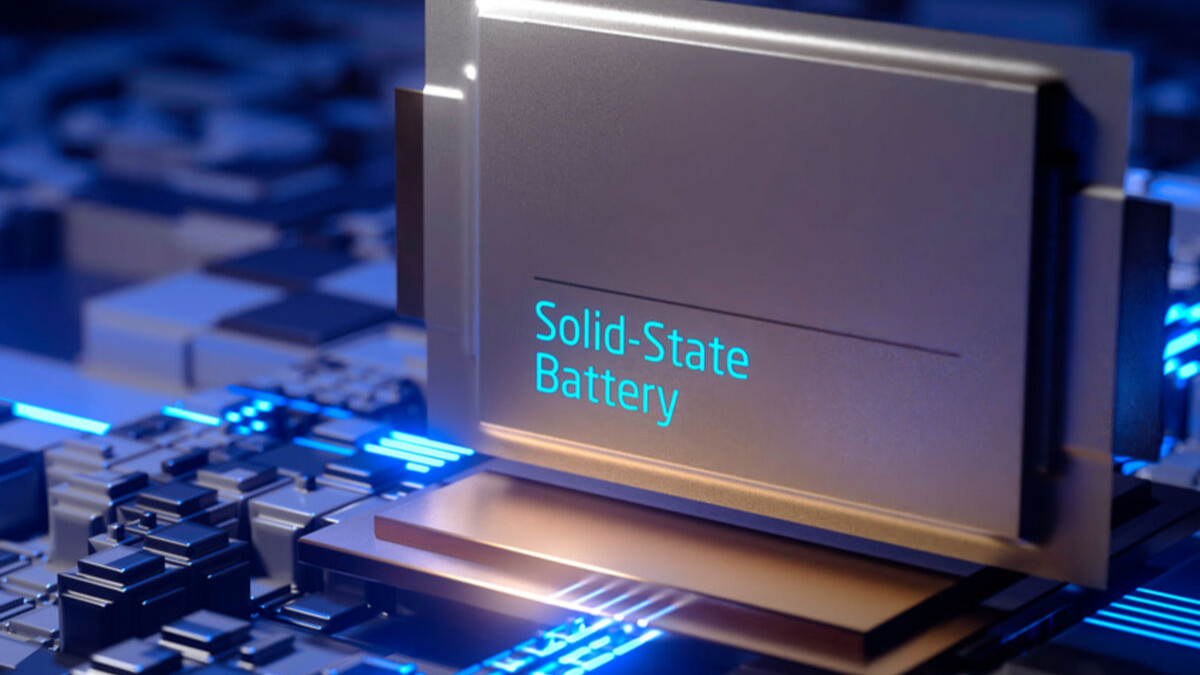
Solid-state batteries (SSBs) replace the liquid electrolyte in a lithium battery with a solid material (ceramic, glass, or solid polymer), enabling the use of a lithium metal anode and improving safety. This category isnΓÇÖt a new chemistry per se ΓÇô often it still uses lithium-ion electrochemistry ΓÇô but the solid electrolyte is a game-changer. Key promises of solid-state batteries include higher energy density (by using pure lithium metal anodes and dense cell designs), enhanced safety (non-flammable electrolyte and no liquid leakage), and potentially faster charging. They are seen as a holy grail for next-gen EVs: lighter packs with more range and virtually zero fire risk. Major automakers and battery firms worldwide have dedicated programs for solid-state tech.
Recent Breakthroughs (2023ΓÇô2025)
After years of incremental progress, solid-state batteries are now hitting impressive performance marks in prototypes. A few highlights: – Higher Energy & Larger Cells: ChinaΓÇÖs CATL reported reaching 500 Wh/kg in a 20 Ah semi-solid prototype cell (what it calls a ΓÇ£condensed stateΓÇ¥ battery)[10]. Likewise, in April 2025 Stellantis/Factorial Energy announced validating 77 Ah automotive solid-state cells at 375 Wh/kg ΓÇô about 40% higher gravimetric energy than typical EV cells ΓÇô with successful scale-up to large format[33]. These cells showed >600 cycles in testing and 4C fast-charge capability (15%ΓåÆ90% in 18 minutes)[34], a significant milestone toward real car batteries. – Cycle Life and Durability: California startup QuantumScape revealed solid-state cells that sustained >1,000 charge cycles with ~95% capacity retention[11], addressing the historic issue of short life. Similarly, Toyota claims its latest solid-state prototypes retain excellent capacity over hundreds of cycles and is pushing toward the 1,000-cycle mark. – Fast Charging & Performance: Several developers report that SSBs can charge extremely quickly. Samsung is piloting cells that target 9-minute full charges and 20-year lifespan for EV packs by using a proprietary sulfide electrolyte and composite anode[35]. Toyota announced solid-state battery plans with 10-minute fast charge and 1,200 km (745 mile) range, expecting to start mass production by 2027-28[36]. These claims, if realized, would dramatically outperform todayΓÇÖs batteries. – Manufacturing Pilots: Companies are moving from lab to pilot lines. Samsung SDI built the worldΓÇÖs largest pilot solid-state production line (ΓÇ£S-LineΓÇ¥) in 2023 and plans mass production in 2027[37]. Nissan has established a prototype production facility for laminated solid-state cells (sulfide-based) and targets an SSB-powered EV launch in 2028, with an aggressive cost goal of $75/kWh by then[13]. LG Energy Solution is investing heavily in R&D (aiming for 900 Wh/L volumetric energy and mass production around 2030)[38]. On the startup side, Solid Power (Colorado, USA) delivered 20 Ah solid sulfide cells to BMW and is scaling a pilot line, and ProLogium (Taiwan/France) is building a gigafactory to supply carmaker Renault in a few years. The solid-state race is truly global, with notable efforts in the US, Japan, Korea, China, and Europe all reaching critical R&D milestones.
Global Leaders & Collaboration
Japan: Toyota is often regarded as a leader, holding many patents and achieving early prototypes; it partners with Panasonic on solid-state development. Korea: Samsung and LG are investing billions into solid-state research (SamsungΓÇÖs early prototypes use a silver-carbon anode layer; LG is researching sulfide and polymer electrolytes). China: CATL, the battery giant, is heavily engaged (their ΓÇ£condensed batteryΓÇ¥ may be a hybrid solid-liquid design initially[39], bridging to full solid-state), and startups like Qing Tao and WeLion (the latter with a semi-solid product now and full solid-state ambitions) are pushing the tech. USA/Europe: QuantumScape (backed by VW) and Solid Power (backed by Ford and BMW) are notable, as is Factorial Energy (Boston-based, with investment from Stellantis, Hyundai, Mercedes). European automakers VW, BMW, Stellantis, and Renault have all struck partnerships with solid-state startups to secure access ΓÇô exemplified by VWΓÇÖs partnership with QuantumScape (planning 20 GWh+ production)[40] and StellantisΓÇÖs work with Factorial (aiming for demo cars in 2026)[41][42]. This ecosystem of collaboration indicates that solid-state batteries are moving out of the lab and into automotive development pipelines.
Commercialization Timeline
Short-term (Γëñ2 years): Expect demonstrations and low-volume pilots. By 2025ΓÇô2026, weΓÇÖll likely see the first public demonstrations of solid-state batteries in vehicles or devices ΓÇô e.g. concept cars or limited production runs. Mercedes and Toyota have hinted at prototype vehicles; Nissan plans a demo fleet by 2025-26. Manufacturing will still be pilot-scale (megawatt-hours/year). – Mid-term (Γëê5 years): Around 2027ΓÇô2028 is the pivotal moment many companies target for mass production launch. ToyotaΓÇÖs roadmap points to 2027 mass output[36]; Samsung and CATL likewise aim for ~2027 small-scale production[10][37]. This could mean the first commercial EVs with solid-state cells on the market by ~2028. These will likely be high-end models (premium EVs, perhaps with smaller battery packs given cost) to showcase long range and fast charge. By 2030, multiple gigafactories (in Japan, China, maybe Europe/U.S.) could be producing SSBs if all goes well. Nissan expects its SSB EV in 2028 and cost down to $75/kWh by then[13], suggesting a rapid scale-up in late this decade. – Long-term (10+ years): By 2035, solid-state batteries could achieve widespread adoption in the EV industry, potentially becoming a standard for new vehicles if costs drop sufficiently. Over a 10-year horizon, we might also see solid-state technology expand to other applications: e.g. electric aircraft or wearables (where energy density and safety are at a premium), and maybe grid storage if cycle life and cost prove out. There is a scenario where lithium-ion coexists with solid-state (especially in lower-cost applications) well into the 2030s, but if solid-state meets its promises, it could largely replace liquid Li-ion in most electronics and transportation due to its superior performance.
Technical Barriers
While progress is strong, several challenges remain on the road to commercial SSBs.
- Manufacturability and Scale: Producing defect-free solid electrolyte layers and integrating them into cells at high volume is non-trivial. Many solid electrolytes (like sulfide glass or oxide ceramics) require new manufacturing techniques (e.g. vacuum deposition, high-pressure pressing, or sintering) that differ from coating liquid electrolyte on rolls. Scaling these processes while keeping costs low is a major hurdle.
- Interface Issues: A historic challenge is the interface between the solid electrolyte and electrodes. Poor contact or reactions at these interfaces can increase resistance or cause degradation. Researchers have made strides (e.g. McGill UniversityΓÇÖs polymer-infused ceramic to reduce interface resistance[43], or BASFΓÇÖs coated cathodes for semi-solid batteries[19]), but maintaining stable, low-resistance contact over many cycles is tough, especially as electrodes expand/contract. Dendrites can also form at the Li metal interface if the solid electrolyte isnΓÇÖt perfectly impervious, potentially piercing it.
- Materials Stability: Solid electrolytes must conduct ions fast but also be stable against highly reactive lithium metal and high-voltage cathodes. Sulfide electrolytes have great conductivity but can release toxic HΓééS if exposed to moisture and may have narrow electrochemical stability windows. Oxide ceramics (like LLZO ΓÇô lithium lanthanum zirconium oxide) are stable but have lower ionic conductivity and are brittle. Researchers are tweaking compositions and adding coatings/protective layers to balance these issues.
- Cost and Yield: Early solid-state cells might have high costs due to expensive materials (e.g. a silver-carbon layer in some designs, or germanium in argyrodite electrolytes) and low yields during production ramp-up. Overcoming this requires both materials innovation (cheaper compositions) and process engineering to reach yields comparable to todayΓÇÖs highly optimized Li-ion plants.
- Integration and Pack Design: Solid-state cells may allow simpler cooling systems (since theyΓÇÖre safer thermally), but they might require clamping or external pressure in the case of some designs (e.g. polymer-based cells often perform better at ~60┬░C or under pressure to maintain contact). Designing packs that accommodate these needs while leveraging the higher energy density will be an engineering puzzle for automakers. Despite these challenges, the momentum in solid-state R&D and investment is enormous. Each technical problem ΓÇô from dendrites to scalable fabrication ΓÇô is the focus of intense research by academia and industry. The consensus is that solid-state batteries are not a question of ΓÇ£ifΓÇ¥ but ΓÇ£whenΓÇ¥, with the late 2020s expected to mark their transition from prototype to product.
Semi-Solid-State Batteries (Hybrid Solid-Liquid)
Overview
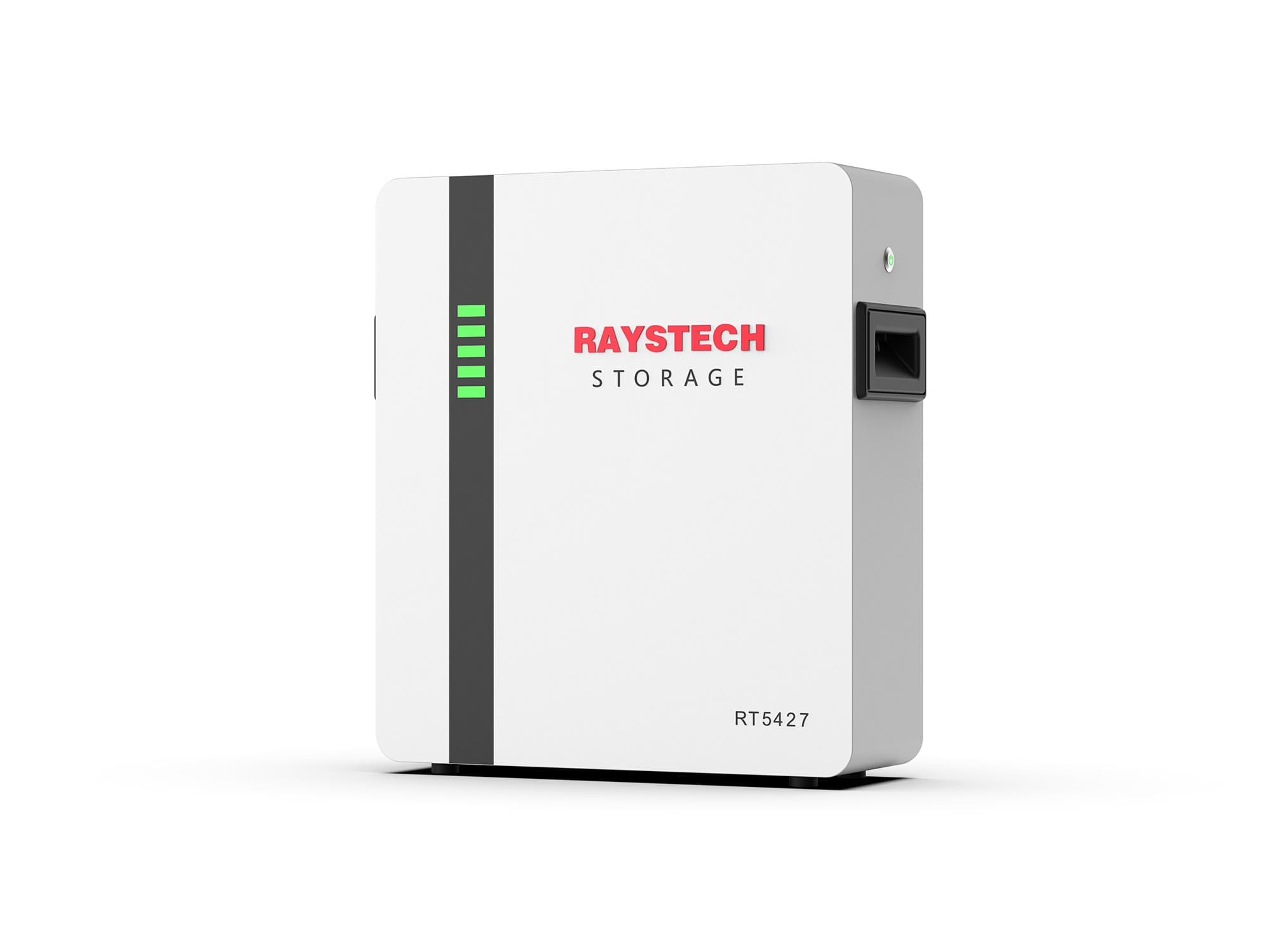
Semi-solid-state batteries are a transitional innovation blending elements of liquid and solid electrolyte designs. The idea is to use some solid or gel-like electrolyte components (or solid-infused electrodes) to improve safety and enable a lithium metal anode, while still retaining a small amount of liquid for ionic conductivity and easier manufacturing. In effect, they are hybrid batteries ΓÇô not fully solid-state, but significantly less liquid than standard cells. This category includes technologies like WeLionΓÇÖs semi-solid Li-metal battery (used by NIO), 24MΓÇÖs ΓÇ£SemiSolidΓÇ¥ thick-electrode lithium-ion design, and various lab approaches using solid-liquid hybrid electrolytes. Semi-solid batteries aim to deliver many of the benefits of solid-state (higher energy, improved safety) sooner, by leveraging existing production methods and materials.
Key Characteristics
Semi-solid designs using lithium metal anodes can reach high energy densities. A prime example is NIO’s 150 kWh pack (with cells from Beijing WeLion) – the cells hit 360 Wh/kg energy density, enabling a pack-level density of 260 Wh/kg[14]. This is ~60% higher pack energy than a typical LFP pack, allowing NIO’s electric sedan to exceed 1,000 km range per charge[15]. Cycle life is expected to be on par with or better than current Li-ion; while detailed data is proprietary, the use of partial solid electrolyte aims to suppress lithium dendrite growth and side reactions, thus extending life[44]. Safety is improved: by reducing the flammable liquid content and using stable oxides/polymers, these batteries resist thermal runaway. For instance, WeLion’s cells use an “oxide solid-liquid hybrid” electrolyte plus a high-melting-point polymer separator, greatly lowering fire risk while maintaining conductivity[16][44]. However, because some liquid electrolyte remains, cooling and safety systems still exist (NIO even upgraded the cooling capacity in the 150 kWh pack by 6× to be safe[45]). Cost-wise, semi-solid batteries can be closer to current lithium-ion since they can often be made on similar equipment and use conventional cathodes (like NCM or LFP). They may initially target premium markets (e.g. NIO’s pack is offered via subscription rather than sale, implying high cost), but large-scale projects like Narada Power’s 2.8 GWh storage deployment indicate costs are coming down for stationary applications[46][18]. Raw material needs are similar to Li-ion (lithium, transition metal cathodes, etc.), though some designs might reduce materials like copper (if configuration allows) or use simpler cell packaging due to enhanced safety.
Recent Developments (2023ΓÇô2025)
Semi-solid batteries have moved into commercial use ahead of full solid-state: – NIO & WeLion (China): In mid-2023, NIO began rolling out its 150 kWh semi-solid battery pack for the ET7 sedan[47]. This pack, developed with startup WeLion, uses a Li-metal anode with a semi-solid electrolyte. It delivers ~260 Wh/kg at pack level, giving 1,000+ km range in testing[14][15]. It weighs only 20 kg more than NIOΓÇÖs 100 kWh pack[45], showcasing the weight advantage of the high energy design. This is one of the first mass-produced semi-solid battery implementations in EVs ΓÇô a milestone in bridging towards solid-state. – Narada Power (China): In 2025, battery maker Narada announced the worldΓÇÖs largest semi-solid energy storage project (2.8 GWh) using its 314 Ah semi-solid cells[46]. These cells use an oxide-based solid+liquid hybrid electrolyte and a special polymer separator[16]. The project ΓÇô a set of grid-support installations in ChinaΓÇÖs Guangdong province ΓÇô highlights that semi-solid tech is considered reliable and safe enough for large-scale deployment. Narada reports this hybrid electrolyte suppresses dendrites and thermal runaway effectively[44]. Notably, Narada has also developed a 30 Ah all-solid-state cell by late 2024 and even a 783 Ah (!) solid-state storage battery in 2025 for future projects[48], indicating their semi-solid know-how is paving the way to full solid-state commercialization. – Materials & Industry Moves: Major material suppliers are tuning products for semi-solid batteries. For example, BASF delivered a new high-Ni NCM cathode material with a special coating to WeLion in 2025, tailored for semi-solid cells[19]. The coating helps interface stability with the hybrid electrolyte, improving cycle life and energy density. BASF and WeLion took this from concept to mass production in one year[49], underscoring rapid development. This kind of collaboration is crucial as semi-solid batteries still face some of the interface challenges of solid-state, just to a lesser degree. Additionally, startups like SES (USA/China) are pursuing a ΓÇ£Li-metal hybridΓÇ¥ battery (liquid electrolyte + protected Li metal anode) ΓÇô effectively a semi-solid approach ΓÇô with large demonstration cells delivered to GM and Hyundai. 24M (USA), while focused on a different angle (thick semi-solid electrodes for simplified manufacturing), has licensed its tech to multiple battery producers worldwide (Japan, India, etc.), impacting conventional lithium-ion production with ΓÇ£semi-solidΓÇ¥ processing. All these efforts point to semi-solid tech being a practical stepping stone available here and now.
Commercialization Timeline
Short-Term (nowΓÇô2 years): Semi-solid batteries are already entering commercial service. Through 2024ΓÇô2026 weΓÇÖll see increasing adoption in premium EV models (NIO today, potentially other automakers following suit if NIOΓÇÖs battery proves successful) and in niche markets like high-altitude drones or specialty electronics that need higher energy density. On the grid side, more large energy storage projects using semi-solid cells will likely come online (especially in safety-critical urban settings that demand better-than-Li-ion safety). Essentially, the short term will validate semi-solid performance in real-world deployments. – Mid-Term (Γëê5 years): By 2030, semi-solid designs could become common in mainstream EVs and stationary storage, or conversely, they might start to be overtaken by full solid-state cells. Over the next five years, expect companies that achieve good results with semi-solid to scale up production ΓÇô possibly offering mid-cost EVs a boost in range without waiting for perfect solid-state. Semi-solid might also serve as a manufacturing bridge: lines built for semi-solid (e.g. incorporating dry electrolyte components) can transition to full solid-state later. WeLion, for instance, after securing NIOΓÇÖs business, may supply other OEMs and aims for a true solid-state battery eventually. – Long-Term (10+ years): A decade out, the landscape could diverge: if solid-state batteries mature fully, they might eclipse semi-solid tech. However, if solid-state faces delays or high costs, semi-solid could retain a niche or even broad role, as itΓÇÖs inherently more compatible with current manufacturing. ItΓÇÖs conceivable that by mid-2030s, semi-solid batteries become a standard interim solution in many EVs, offering much of the range/safety benefit of solid-state at lower cost. Additionally, lessons from semi-solid deployments (materials, interfaces, production techniques) will directly inform second-generation solid-state batteries.
Technical Challenges
By nature, semi-solid designs alleviate some difficulties but introduce others: –
- Electrolyte Optimization: Finding the right mix of solid and liquid is key. Too much liquid and you lose the safety advantage; too little and ionic conductivity or interface wetting suffers. NaradaΓÇÖs solution was an ΓÇ£oxide solid-liquid hybridΓÇ¥ ΓÇô essentially a porous oxide framework soaked in liquid ΓÇô plus additives (referred to as ΓÇ£interface wetting agentsΓÇ¥[50]) to ensure contact. Perfecting this mix for different cell formats and chemistries is an ongoing effort.
- Lithium Metal Anode Management: Most semi-solid EV batteries use lithium metal to get high energy. This means they must contend with dendrite formation and plating/stripping mechanics. The solid component of the electrolyte is meant to block dendrites, but any remaining liquid can be a pathway for dendrites if not carefully managed. Ensuring dendrite-free long life is a challenge; companies may use protective coatings on the lithium or pressure to keep interfaces tight.
- Consistency and Quality Control: Introducing new electrolyte components (e.g. polymers or inorganic fillers) into cell manufacturing can affect processes like filling, sealing, and formation cycling. Quality control to avoid dry spots or ensure the solid and liquid portions are perfectly distributed will be important for yield and performance consistency.
- Thermal Management: Semi-solid cells, while safer, can still generate heat (especially if high charging rates are used). NIOΓÇÖs enhanced cooling requirement[45] suggests that high-capacity semi-solid packs might have different thermal profiles. Balancing the need for cooling (to prevent any thermal runaways or performance loss) with the promise of improved safety is something designers need to fine-tune.
- Materials Compatibility: Some liquid electrolytes can decompose on new solid surfaces or vice versa. The BASF-WeLion cathode coating example[19] shows that even cathodes might need modification to work optimally with hybrid electrolytes. Separator materials also evolve ΓÇô high melting point, stable separators are being used to further firewall any thermal issues[16]. Over time, standard material sets will emerge that are tailored for semi-solid configurations.
- Transition to Full Solid-State: Finally, semi-solid players have to keep an eye on the end-goal. They must design their tech such that it can either smoothly transition to full solid (by gradually reducing liquids) or offer a cost/performance advantage that remains relevant. Otherwise, they risk being a short-lived bridge. Fortunately, many are already thinking this way ΓÇô using semi-solid as a proving ground for materials and processes that will feed into all-solid batteries.
In summary, semi-solid-state batteries are delivering tangible improvements today, ahead of fully solid-state commercialization. They represent a pragmatic approach: utilize solid components to boost energy and safety, but keep enough conventional elements to allow immediate deployment. Companies and researchers worldwide ΓÇô particularly in China and the U.S. ΓÇô are leveraging this strategy to push the envelope of battery performance in the latter half of this decade. Industry players should watch the semi-solid space as both a competitive technology for high-performance applications and as an indicator of how the first generations of solid-state batteries might be successfully implemented.
The Road Ahead
Each of these emerging battery technologies brings something different to the table: –
Lithium-Air promises an ultimate leap in energy density (potentially enabling electric aircraft and ultra-long-range EVs) but is the farthest from commercialization, requiring significant breakthroughs in chemistry and engineering.
Sodium-Ion offers a near-term solution to resource and cost constraints, with Chinese companies leading its scale-up. ItΓÇÖs poised to take on a sizable role in stationary storage and affordable EVs over the next decade as performance steadily improves.
Solid-State batteries are the most anticipated evolution for premium performance ΓÇô virtually every major automaker is investing in this arena. The late 2020s will likely see the first solid-state powered vehicles, and if targets are met, a rapid cascade of adoption in the 2030s due to their superior energy, safety, and charging speed.
Semi-Solid-State designs are proving to be the stepping-stone, bringing lithium metal batteries into real products now. They deserve attention as both an interim solution and a learning platform on the journey to full solid-state.
From the Americas to Europe to Asia, companies, research institutes, and government programs are driving these innovations. Toyota in Japan, CATL/WeLion/BYD in China, QuantumScape/Solid Power in the US, Stellantis and European consortia in the EU, and others around the globe are in a high-stakes race. For industry players and observers, the next decade will be pivotal. We will see laboratory triumphs translated into manufacturing know-how, with scale and supply chain becoming as important as electrochemistry.
On the horizon, watch for hybrid approaches and incremental improvements (like lithium-metal anodes in liquid cells, or sodium-ion batteries paired with lithium packs) as the industry transitions. Keep an eye on startup breakthroughs (which can shift paradigms overnight) and on big-player roadmaps (which signal where money and manufacturing muscle are headed). The battery landscape in 2035 will likely be far more diverse, with these four chemistries each carving out roles alongside improved lithium-ion.
For engineers and technical leaders, now is the time to stay informed and flexible. Battery technology is evolving fast ΓÇô companies that understand the strengths and limitations of each chemistry will be best positioned to innovate in product design, supply chain strategy, and research investment. Whether itΓÇÖs planning for the high-risk, high-reward potential of lithium-air, designing systems around sodium-ionΓÇÖs cost and cold-weather performance, retooling factories for solid-state, or adopting semi-solid cells for early mover advantage ΓÇô the winners in the clean energy transition will be those who keep a pulse on these developments. The next decade will bring these emerging batteries from labs and pilot lines to everyday life, and their impact will reverberate across automotive, aerospace, grid infrastructure, and beyond.
Sources
The above insights are drawn from recent research publications, industry news, and company announcements, including Argonne National LabΓÇÖs reports on lithium-air breakthroughs[1][23], Chinese battery giantsΓÇÖ roadmap disclosures on sodium-ion[51][8], automakersΓÇÖ solid-state battery targets[36][13], and real-world demonstrations of semi-solid batteries in EVs and storage projects[14][46], among other primary sources. Each of these technologies is rapidly developing, so continued monitoring of technical literature and industry updates is advised as timelines and achievements evolve.
[1] [20] [21] [23] [24] [25] [26] [27] Air Energy launches to bring solid-state lithium-air batteries closer to commercialization – Energy Storage
[2] [3] [4] [22] Innovative Lithium-Air Battery Design Poised to Increase Energy Storage | Department of Energy
[5] [6] [7] [8] [9] [28] [29] [30] [31] [32] [51] New sodium-ion developments from CATL, BYD, Huawei – Energy Storage
https://www.ess-news.com/2024/11/28/new-sodium-ion-developments-from-catl-byd-huawei/
[10] [11] [12] [35] [36] [40] [43] Beyond Li-Ion: 5 Top Battery Tech Advances in 2024 – News
https://eepower.com/news/beyond-li-ion-5-top-battery-tech-advances-in-2024/
[13] [37] [38] [39] Top 10: Solid State EV Battery Manufacturers | EV Magazine
https://evmagazine.com/top10/top-10-solid-state-ev-battery-manufacturers
[14] [15] [45] [47] NIO rolls out first mass-produced 150 kWh semi-solid battery pack – EV Tech Insider
https://evtechinsider.com/nio-rolls-out-first-mass-produced-150-kwh-semi-solid-battery-pack/
[16] [17] [18] [44] [46] [48] [50] 2.8GWh! Narada Power Wins WorldΓÇÖs Largest Semi-Solid Battery Energy Storage Project ΓÇö China Energy Storage Alliance
[19] [49] Joint News Release: BASF Delivers First Cathode Active Materials for Semi-Solid-State Batteries to WELION New Energy
https://www.basf.com/global/en/media/news-releases/2025/08/p-25-168
[33] [34] [41] [42] Stellantis and Factorial Energy Reach Key Milestone in Solid-State Battery Development | Stellantis
